Three flat-roof membranes, three different price points, three different lifespans. Here is how we spec each one for Twin Cities commercial buildings.
If you own a commercial building or a home with a flat or low-slope roof in the Twin Cities, you will eventually face a membrane replacement decision. The three membranes that dominate the Minnesota market are TPO, EPDM, and PVC. They perform differently, cost differently, and suit different building types. Getting the choice wrong is expensive.
TPO (Thermoplastic Polyolefin)
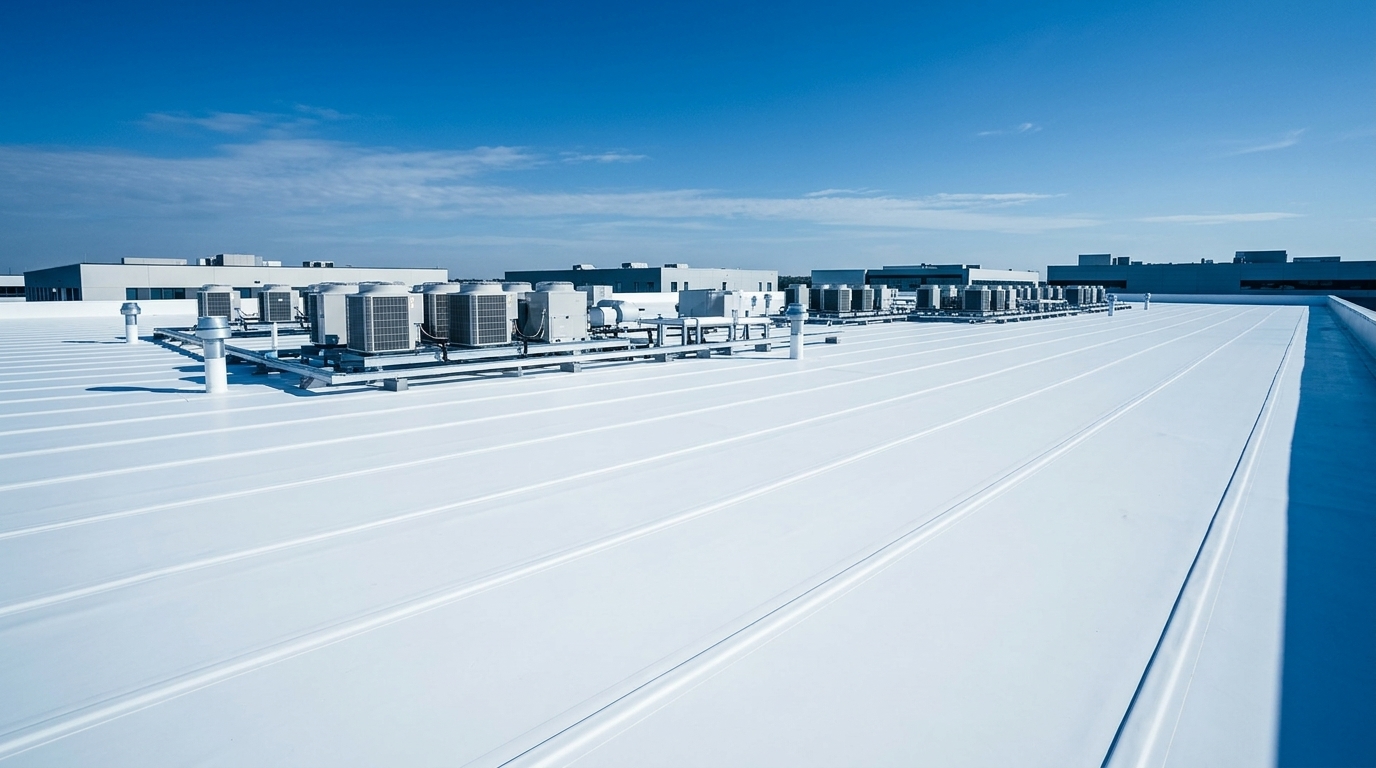
White single-ply membrane. Reflective surface drops summer cooling cost. 20-30 year lifespan. Heat-welded seams. Good middle option for office, warehouse, retail. Mule-Hide and Genflex both make TPO systems we install.
TPO holds up reasonably well in Minnesota's freeze-thaw cycles, though membrane quality varies significantly by manufacturer. A properly installed TPO system on a commercial building should give you 20 to 30 years of service with regular maintenance.
EPDM (Ethylene Propylene Diene Monomer)
Synthetic rubber. Black surface, holds heat in winter (a feature in Minnesota). 25-40 year lifespan when installed correctly. Handles freeze-thaw and snow load extremely well. The classic Twin Cities commercial flat-roof choice.
EPDM is installed either fully adhered, mechanically fastened, or ballasted with stone. Seams are the weak point and require proper lap tape or liquid seam treatment. A well-installed EPDM system can last 25 to 40 years. It does absorb heat in summer due to its dark color, which is worth considering if your building has a high cooling load.
PVC (Polyvinyl Chloride)
Heat-welded membrane like TPO but with stronger chemical and grease resistance. Best fit for restaurants, food processors, mechanical buildings. Costs more per square than TPO but the chemical resistance is worth it for the right building.
Quick Comparison
- TPO: best for offices, retail, and general commercial. 20 to 30 year service life. Lowest upfront cost of the three. Heat-welded seams. White or grey surface reflects heat.
- EPDM: best for cold-climate performance and long service life. 25 to 40 year service life. Strong freeze-thaw track record. Seams require careful installation. Dark surface absorbs heat.
- PVC: best for restaurants, food processing, and buildings with chemical or grease exposure. Premium cost. Heat-welded seams. Resists oils and chemicals that degrade other membranes.
What to Expect on Cost
Flat roof replacement cost is driven by several factors: roof area, slope and access, drain configuration, whether the existing membrane needs to be torn off or can be overlaid, and insulation requirements. Membrane material is one part of the total cost, not the whole picture.
In relative terms, TPO is typically the lowest-cost membrane. EPDM sits in a similar price range depending on installation method. PVC carries a meaningful premium over both. But a cheaper membrane installed poorly will cost more over a 10-year horizon than a better membrane installed correctly. Labor quality and manufacturer specification compliance matter as much as material selection.
When comparing quotes, make sure each contractor is specifying the same membrane type, thickness, insulation R-value, and warranty terms. A quote that does not include these details cannot be compared honestly to one that does.
Questions to Ask Before You Sign
- What membrane manufacturer and product line are you specifying, and what is the warranty on that product?
- Are you certified or approved by that manufacturer to install their system?
- Is this a tearoff or an overlay, and what is the reason for that recommendation?
- What insulation R-value is included, and does it meet current Minnesota energy code for commercial roofs?
- What workmanship warranty do you provide separately from the manufacturer warranty?
- Will you provide a written scope of work before I sign anything?
What We Recommend
David Armenta Magana holds Mule-Hide and Genflex certifications, which cover TPO, EPDM, and related commercial membrane systems. When we assess a flat roof for replacement, we consider the building's use, the existing insulation and drainage setup, the owner's long-term plans for the property, and the warranty options available from the manufacturer. We do not push a single product because it has the best margin for us.
We spec based on the building, not the brand. Call (612) 749-6778 and we will walk your roof and tell you which one fits. All quotes are written and itemised before any work begins.
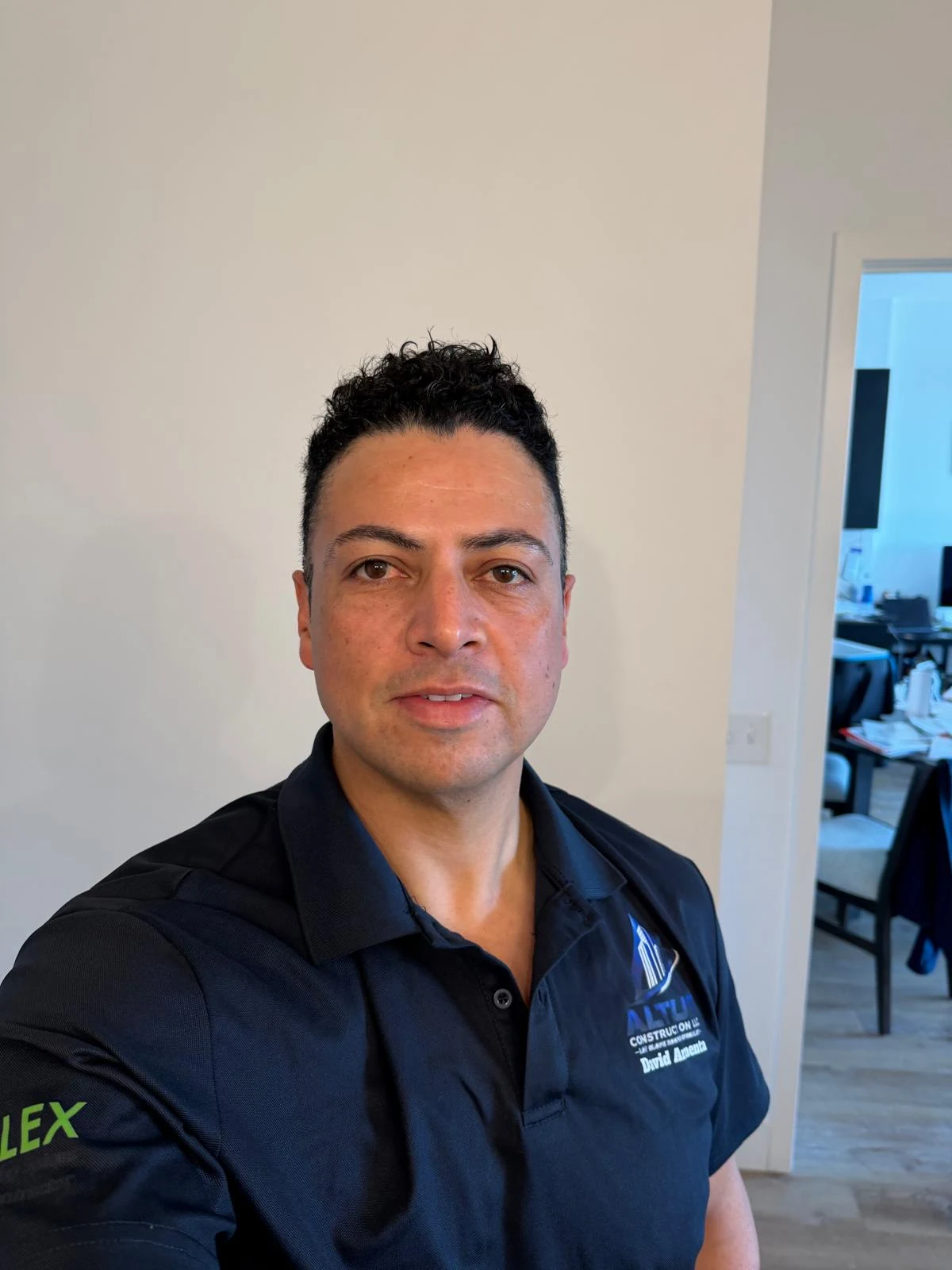
David Armenta Magana, Owner.