CHEMICAL AND GREASE RESISTANT SINGLE-PLY
PVC ROOFING
PVC is the right flat-roof membrane when the building below it produces grease, chemicals, or industrial exhaust. Heat-welded seams and superior chemical resistance justify the higher cost for the right application.
PVC Roofing: When Chemical Resistance Is Not Optional
Polyvinyl chloride roofing membrane costs more than TPO. For most commercial buildings, that extra cost is hard to justify. But for restaurants, food processors, commercial kitchens, and industrial facilities where rooftop exhaust carries grease or chemicals, PVC is not a luxury. It is the correct specification.
What Grease Does to a Standard Flat Roof
TPO and EPDM are excellent membranes for most applications. Neither is rated for prolonged exposure to cooking grease or petroleum-based chemicals. When a restaurant's exhaust system deposits grease onto a TPO membrane over years of operation, the membrane degrades. Seams soften. The material loses its integrity faster than it should. PVC is formulated to resist those same substances.
Heat-Welded and Built for the Long Run
PVC seams are heat-welded, the same process used on TPO. The weld fuses the two membrane layers into a single piece that is typically stronger than the base material. For a building with heavy rooftop foot traffic, chemical exposure, or mechanical equipment, that seam strength matters over a 20 to 30 year ownership period.
Altus PVC Installations in the Twin Cities
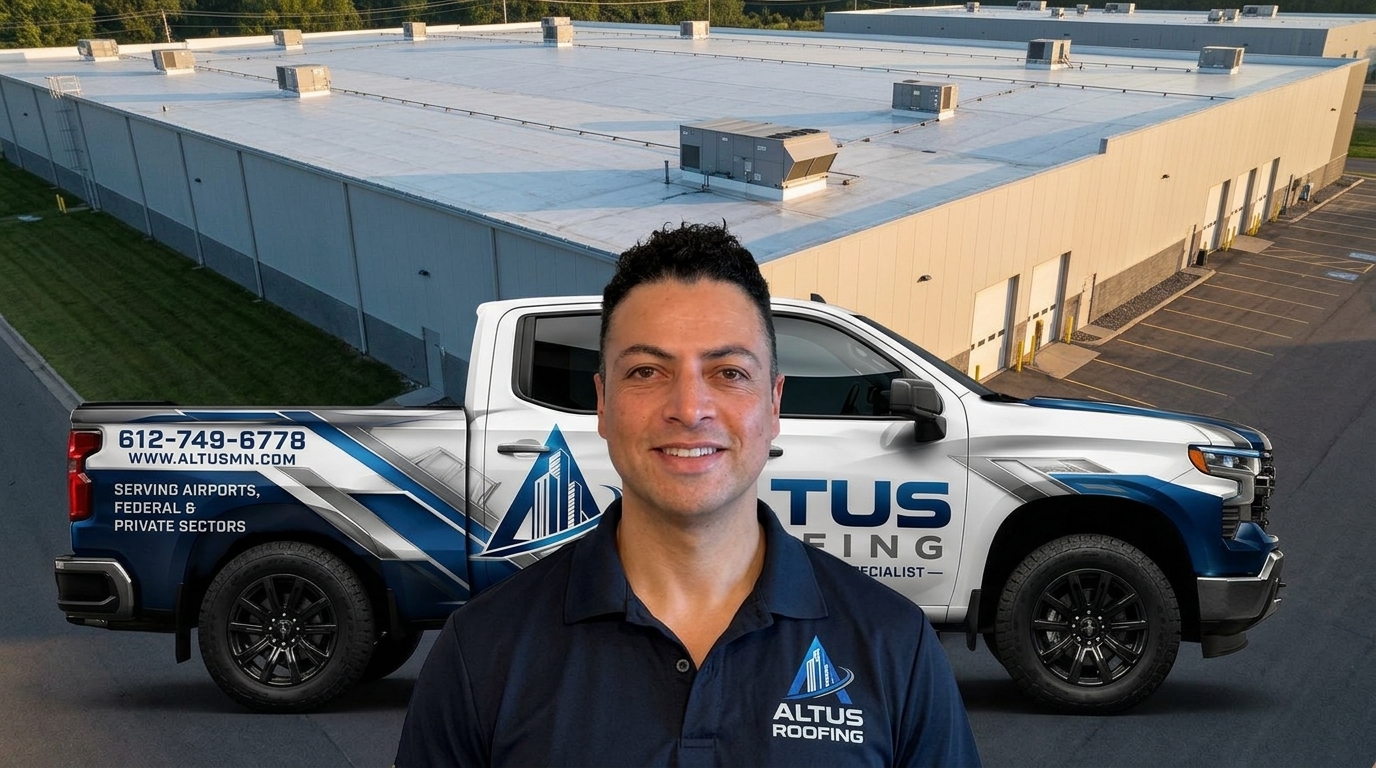
David specs and installs PVC roofing for restaurants, food production facilities, and industrial buildings across the Minneapolis and St. Paul metro. He will walk your roof, assess the actual chemical exposure, and tell you whether PVC is warranted or whether TPO is the better financial decision for your building. Call (612) 749-6778 to schedule the inspection.
WHY ALTUS
WHY ALTUS FOR
PVC ROOFING
PVC membranes are chemically resistant to cooking grease, oils, and industrial solvents, which degrade TPO and EPDM over time when rooftop exhaust systems are present.
Heat-welded PVC seams are permanently fused and typically stronger than the base membrane itself, making seam failure one of the least likely points of failure on a correctly installed PVC roof.
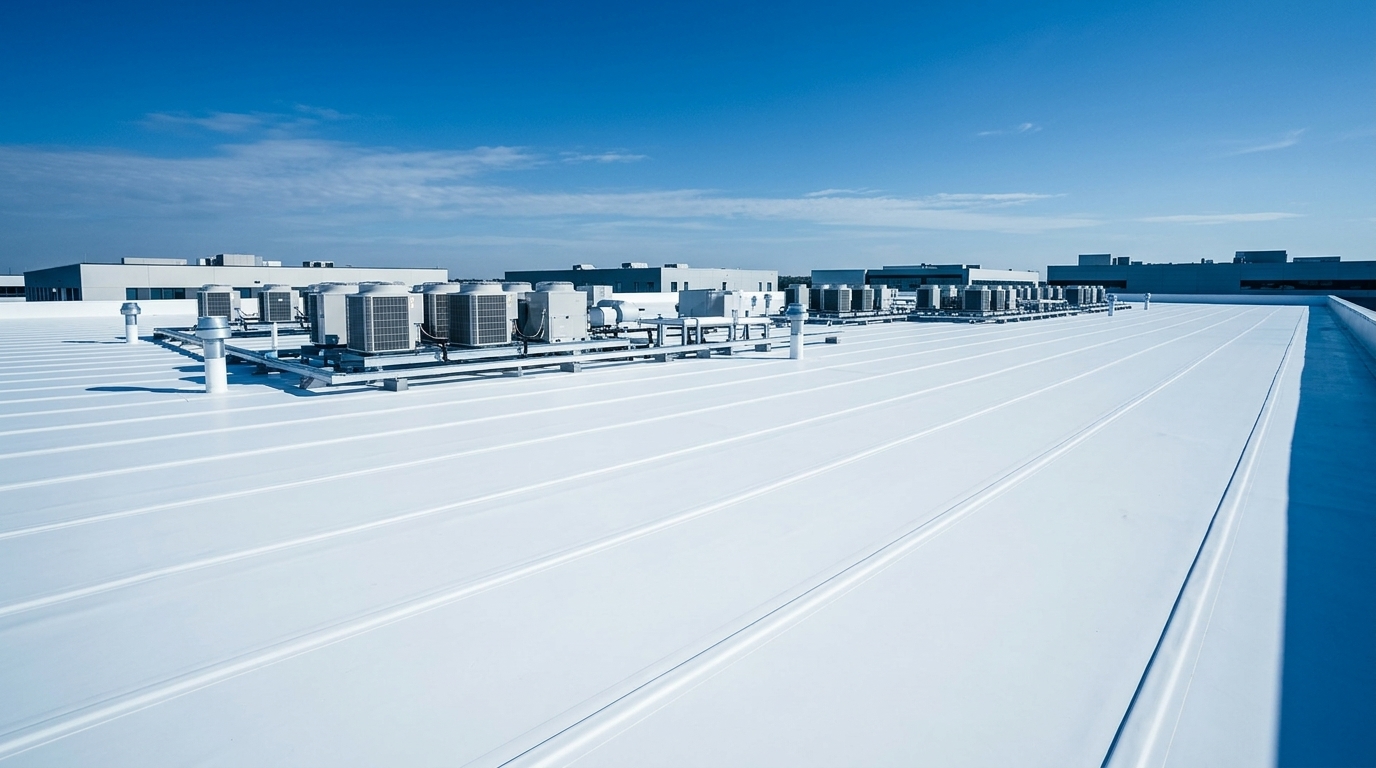
PVC's white reflective surface provides the same summer cooling advantage as TPO while adding the chemical resistance that TPO cannot match in food service or industrial environments.
PVC roofing systems carry long manufacturer warranties when installed by certified contractors, making the higher upfront cost justifiable over a 20 to 30 year ownership horizon.
SCOPE OF WORK
WHAT'S INCLUDED
THE PROCESS
HOW IT WORKS
Simple, transparent, owner-managed from the first call to the final handshake.
David inspects the roof with specific attention to exhaust locations, grease trap venting, and chemical exposure sources before specifying a system.
Written scope with PVC spec, insulation, manufacturer brand, installed cost, and warranty detail. No verbal commitments.
Existing membrane removed. Deck inspected for moisture, structural damage, or contamination from previous chemical exposure.
PVC laid and all seams heat-welded to manufacturer specification. Flashings detailed at every transition, penetration, and parapet.
Manufacturer warranty registered. Written workmanship warranty from Altus. Final roof walk with property owner or facility manager.
QUESTIONS
COMMON QUESTIONS
If your building has rooftop exhaust systems, grease vents, or chemical exposure from the building's operations, PVC is the right choice. Cooking grease and many industrial chemicals degrade TPO and EPDM membranes over time. PVC is formulated to resist those substances. For a standard warehouse or office with no chemical exposure, TPO is usually the better value.
PVC typically costs more per square than TPO at the material level. The gap varies with market conditions and roof specifications. David will give you a straight comparison on your specific roof. For buildings where PVC is the right call, the chemical resistance justifies the price difference over the life of the membrane.
Yes. PVC membranes maintain flexibility at low temperatures and handle freeze-thaw cycles well. The heat-welded seams do not rely on adhesives that can weaken in cold, which is an advantage in Minnesota's climate.
Restaurants and food service facilities, food processing and manufacturing plants, commercial kitchens, mechanical buildings with heavy chemical or oil exposure, and any commercial building where rooftop exhaust or drainage carries grease or solvents. David will assess your building and tell you honestly whether PVC is warranted or whether TPO is a better fit.
EXPLORE MORE
YOU MAY ALSO NEED
READY TO START?
GET YOUR FREE ROOF INSPECTION TODAY
Tell us about your roof. We will document it, walk you through the options, and give you a written estimate the same week.