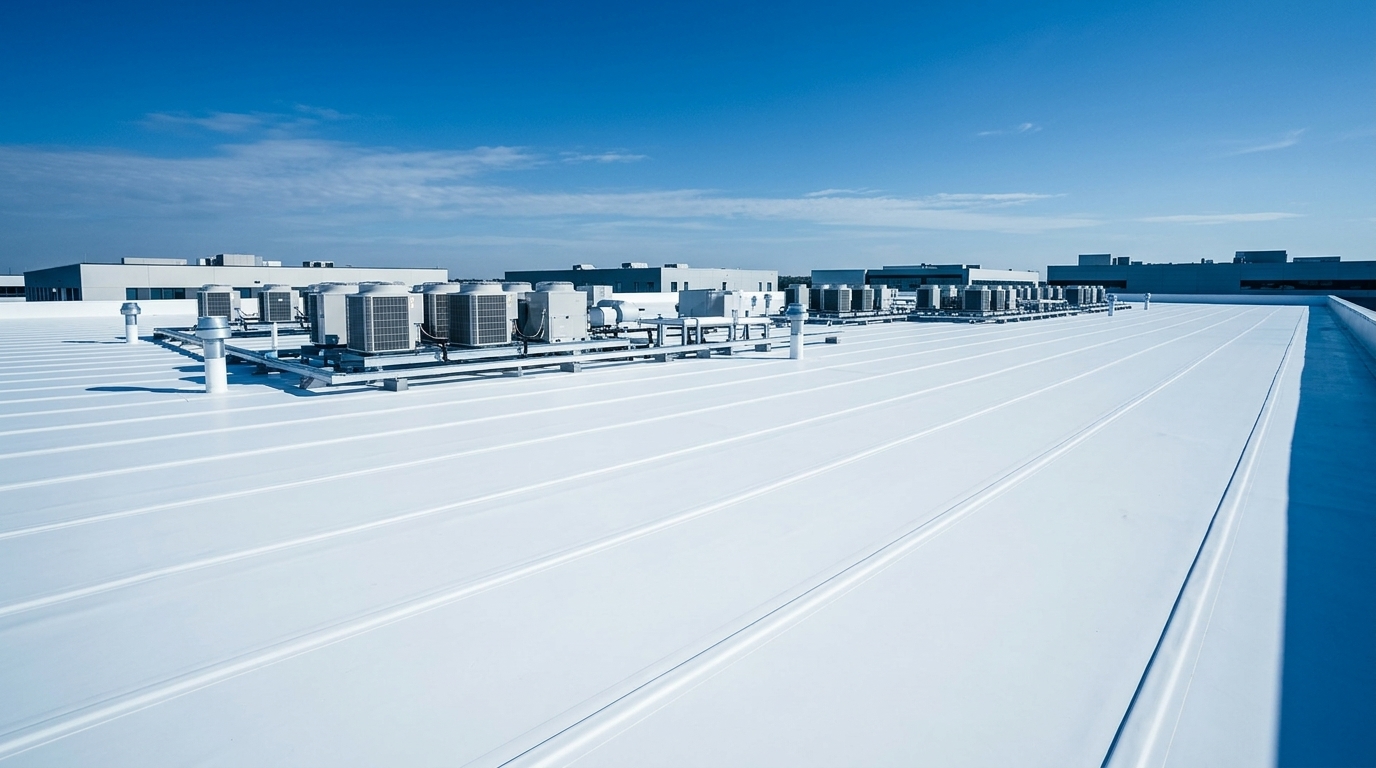
Ice dam prevention in Minnetonka starts in fall, not winter. Learn what roofing, ventilation, and insulation factors matter most.
Minnetonka homeowners who have dealt with ice dams before know the pattern: water stains appear on interior walls or ceilings in January or February, the source is traced back to the roof edge, and the conversation quickly turns to whether the gutters need to be replaced or the roof has a problem. The harder truth is that ice dam prevention in Minnetonka rarely starts on the roof surface. It starts in the attic, in September, before the first snow arrives and before the conditions that create ice dams are already in motion.
The Short Answer: What Actually Causes Ice Dams in Minnetonka?
Ice dam prevention in Minnetonka requires understanding the mechanism first. Ice dams form when warm air escapes into the attic and heats the roof deck unevenly. Snow on the warmer upper sections of the roof melts and runs toward the eaves. The eaves, which are not warmed by the attic because they extend past the insulated living space, stay frozen. The melt water refreezes at the cold eave, building a dam of ice that causes subsequent melt water to back up under the shingles and find its way into the home. This is a heat management and air sealing problem as much as it is a roofing problem, and fixing only the roof without addressing the attic conditions that created the ice dam leaves the underlying cause completely intact.
What Homeowners Usually Notice First
Most Minnetonka homeowners who come to the ice dam conversation do so after one of two triggers: they experienced water damage inside the home during a previous winter and want to make sure it doesn't repeat, or they've noticed large, heavy ice formations along the eaves and roof edge during winter and are concerned about what they might mean for the next thaw cycle.
What commonly gets noticed before damage occurs:
- Icicles along the eave that are larger or more persistent than those on neighboring homes with similar tree coverage and exposure
- A roof that seems to shed snow unevenly, with certain sections clearing while others retain snow for extended periods
- A noticeably warm attic during winter, detectable when accessing it in cold weather and finding it significantly warmer than outdoor temperatures
- Water staining near exterior walls in upstairs rooms that doesn't obviously connect to any interior plumbing source
What homeowners often miss is that ice dam prevention in Minnetonka requires distinguishing between what caused the dam and what the dam caused. The damage visible inside the home is the consequence. The attic heat profile is the cause. Any prevention strategy that doesn't address the attic will manage symptoms at best.
What a Roofing Contractor Looks For When Assessing Ice Dam Risk
On many fall inspections in Minnetonka where ice dam history has been reported, we find that the roofing components themselves are often secondary to the attic and insulation conditions that create the temperature differential that ice dams require. But roofing factors do matter, and some are within the scope of fall preparation.
Here is what Altus evaluates during a Minnetonka fall assessment focused on ice dam prevention:
Attic ventilation rate. We assess whether the existing ridge vent, soffit vent, and any static vents are providing the exchange rate that the attic volume requires. Inadequate ventilation allows warm air to accumulate in the attic and maintain an elevated roof deck temperature. In Minnetonka, where homes often have mature landscaping that can partially block soffit vents and attic insulation upgrades that have sometimes been done without corresponding ventilation adjustments, this mismatch is one of the most common ice dam drivers we find.
Soffit vent channel integrity. Insulation that has been pushed against the roof deck at the eave blocks the soffit-to-ridge air flow path even when the vents themselves are present and unblocked. We check attic channels at the eave to confirm ventilation air is actually moving from the soffit into the attic rather than being blocked by insulation settling or improperly installed batts.
Air sealing at attic penetrations. Recessed light fixtures, plumbing penetrations, pull-down attic stairs, and HVAC duct connections are common air leakage points that allow heated interior air to enter the attic directly rather than through the living space walls and ceiling. These leaks elevate the attic temperature above what the ventilation system can compensate for, contributing directly to ice dam formation.
Roof valley drainage capacity. Ice dams are most likely to cause water intrusion at the eave, but valleys can also become ice dam locations when drainage is restricted by debris or inadequate slope. We check valley flashing conditions and confirm drainage isn't being restricted by accumulated leaf debris before fall's debris load peaks.
Ice and water shield coverage at the eave. Modern roofing installations include an ice and water shield membrane at the eave that provides a secondary waterproofing layer in the most vulnerable ice dam zone. On older roofs, this protection may not be present or may have been improperly installed. While this doesn't prevent ice dam formation, it limits the water intrusion that occurs when a dam forms.
A roofer assessing ice dam prevention in Minnetonka is working at the intersection of roofing, insulation, and air sealing, which is why we're clear that roofing alone doesn't solve every ice dam situation. But the roofing components, ventilation adequacy, and eave protection are all within scope and all influence how the winter plays out.
Common Misunderstandings About Ice Dam Prevention
Assuming ice dams are a gutter problem. Gutters don't cause ice dams and removing gutters doesn't prevent them. The dam forms at the cold eave regardless of whether a gutter is present. What gutters affect is where the water from a thawing dam goes. The dam mechanism itself is entirely about attic heat management.
Treating ice dam damage as a roofing problem alone. When water from an ice dam appears inside the home, the roofing system is where the water entered, but it's rarely the cause. Addressing only the interior damage and the roof surface entry point without evaluating the attic conditions that created the dam means the same scenario will likely repeat.
Installing heated cables as a prevention strategy. Roof de-icing cables prevent ice from building at specific locations along the cable run, but they don't address the underlying mechanism that causes ice dams. They're a management tool for existing ice dam risk, not a prevention strategy. Ice dam prevention in Minnetonka that relies primarily on heated cables is managing a symptom indefinitely rather than addressing a solvable cause.
Assuming newer roofs are ice dam immune. A newer roof with proper ice and water shield coverage provides better secondary protection against water intrusion when a dam forms, but it doesn't prevent dam formation. The dam mechanism is an attic heat and ventilation issue that affects new and old roofs equally.
Why Minnetonka's Specific Conditions Create Elevated Ice Dam Risk
Minnetonka's climate and housing characteristics combine to create above-average ice dam risk compared to more open suburban environments. The city's mature tree coverage shades significant portions of many homes' rooftops, which slows snow melt on some sections while allowing it to proceed on others, creating the uneven temperature profile that drives the ice dam mechanism.
According to NOAA climate data for the Minneapolis-St. Paul metro area, the Twin Cities region experiences significant snow accumulation and freeze-thaw cycling throughout the winter, with western Hennepin County sometimes experiencing longer sustained cold periods than inner-ring suburbs due to reduced urban heat island effect. This pattern produces the conditions, accumulated snow, temperature variation, and freeze-thaw cycling, that ice dams require more consistently and for longer periods than in more urban parts of the metro.
Minnetonka's housing stock also includes many homes built before current insulation and ventilation standards, with attic configurations that have been modified over the decades without always maintaining a coherent air sealing and ventilation strategy. Ice dam prevention in Minnetonka on these homes often involves unraveling what multiple renovation projects have done to the original attic design rather than starting from a clean baseline.
A Minnetonka Ice Dam Scenario That Repeats Every Winter
A homeowner near Lake Minnetonka contacted us in early fall after dealing with ice dam damage for the second consecutive winter. The previous spring's repair had addressed interior water staining and some damaged shingles at the eave, but no one had looked at the attic during either repair visit.
When we assessed the attic in September, we found that a kitchen remodel completed three years earlier had added recessed lighting in the room below, with fixtures that had not been properly air-sealed where they penetrated the attic floor. These fixtures were allowing significant warm air to enter the attic directly, elevating the attic temperature enough that the roof deck above stayed warm even during cold outdoor temperatures.
We also found that the insulation in the attic had been pushed against the decking at the eave during a past insulation upgrade, blocking the soffit-to-ridge ventilation channel. With air leakage elevating the attic temperature and the ventilation path blocked at the eave, the conditions for ice dam formation were fully in place.
Addressing the air sealing at the fixtures and restoring the soffit channel with insulation baffles changed the attic's heat profile enough to meaningfully reduce ice dam risk heading into the next winter. The roofing components, including ice and water shield, were already present and functional. The problem was never the roof.
Book a Fall Inspection to Catch Ice Dam Risk Before Winter
If your Minnetonka home has a history of ice dams, or if you simply want to understand whether your attic's current ventilation and air sealing profile puts you at risk this winter, September is the right time to find out. Altus Construction provides fall assessments that evaluate roofing, attic ventilation, and air sealing factors together as a system, because ice dam prevention in Minnetonka requires understanding all three rather than addressing only the one that's most visible. Schedule your inspections appointment and get ahead of ice dam season before the first snow arrives.
Visit us in St. Louis Park, MN, we've assessed ice dam risk on Minnetonka homes for years and know what the attic conditions in this area actually look like.
Frequently Asked Questions
Does ice dam prevention in Minnetonka require replacing the roof?
Not always, and often not at all. The primary drivers of ice dam formation are attic air sealing and ventilation, not the roofing material itself. A roof replacement without addressing those underlying factors will not prevent ice dams from forming. Ice dam prevention in Minnetonka that focuses on improving attic air sealing, restoring blocked ventilation channels, and adding adequate soffit-to-ridge airflow addresses the mechanism. The roofing component, specifically the presence of ice and water shield at the eave, provides secondary protection against water intrusion when a dam does form, but it's not a substitute for prevention.
Can ice dam prevention in Minnetonka be achieved by removing gutters?
No. Gutters are not a factor in ice dam formation. Removing them changes where water from a thawing dam deposits, but it doesn't address the warm roof deck and cold eave temperature differential that causes dams to form. Ice dam prevention requires managing attic heat, not modifying gutter configuration.
How much does ice dam prevention work typically cost in Minnetonka?
Cost varies significantly depending on what's driving the ice dam risk at a specific home. Air sealing improvements at attic penetrations and restoring blocked soffit channels are often relatively modest projects. Addressing inadequate ventilation through new soffit or ridge vent installation is more involved but still far less expensive than repeated interior water damage repairs. Ice dam prevention in Minnetonka is almost always less expensive than the cumulative cost of ice dam damage over several winter seasons.
Should I address ice dam prevention in fall or wait until after the first winter event?
Fall is significantly better, for two reasons. First, attic air sealing and ventilation work is easier and more effective to complete before winter conditions. Second, addressing the contributing factors before ice dam season begins prevents the first event, rather than managing it after damage has already occurred. Waiting until after the first ice dam has caused interior damage means paying for the damage response in addition to whatever prevention work should have been done in September.

David Armenta Magana, Owner.